

New Zealand is the trip a lot of people spend years looking forward to. It sits right at the bottom of the map, about as far as you can go, and most who come here come once. That is exactly why it is worth getting right: if you have only two or three weeks in a country you may well see just once, what you do with those weeks becomes even more important.
A great trip here is rarely about how many days you have, or how far you have flown to get here. It comes down to a handful of moments where there is an ordinary way to do something and an extraordinary one. Here are six of them, running north to south, the ones worth insisting on.
1. A soak with a few centuries behind it
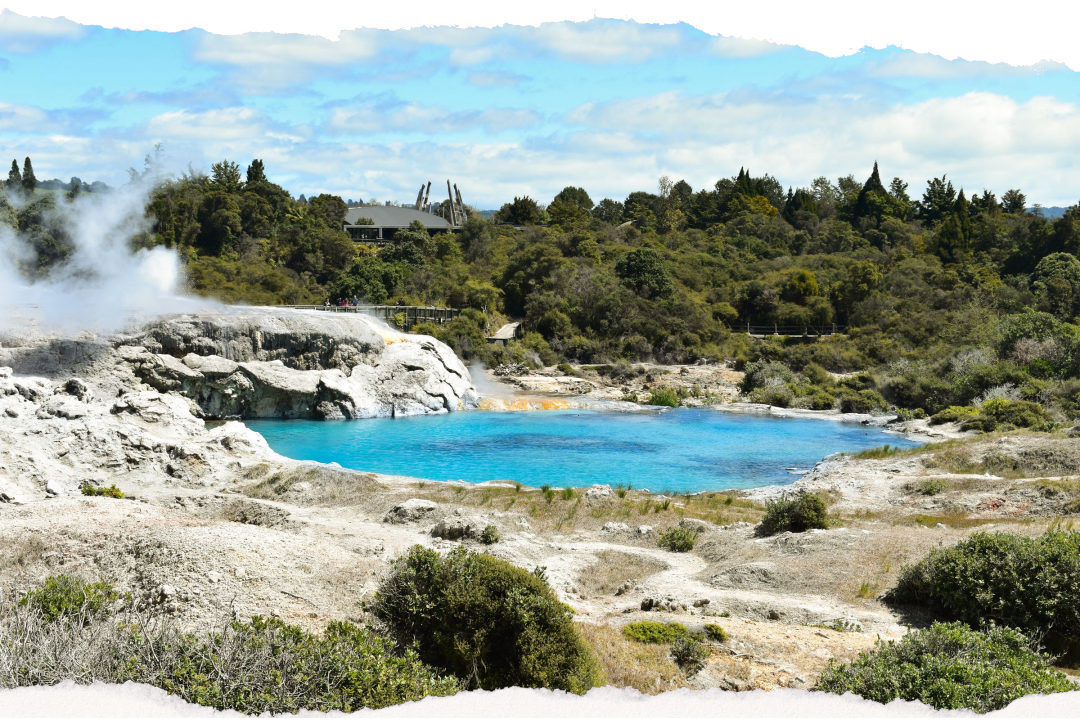
Rotorua sits on a geothermal field and makes no secret of it. Steam drifts out of the parks and off the lake edge, and the air carries a faint trace of sulphur. People have bathed in these waters for centuries: Ngāti Whakaue, whose land this is, were using them long before anyone built a changing room around them. The ordinary version today is the municipal one, a large complex and a warm pool you share with everyone else who turned up that afternoon.
Wai Ariki, down on the lake shore, is owned by Ngāti Whakaue and works differently. You can take a private pool, mineral water held at around body temperature, just the two of you or the four of you. Or there is Wai Whakaora, the restorative journey: two hours and seven steps, geothermal water, steam, mineral mud, hot to cold and back again, in an order somebody has thought carefully about so that you do not have to.
Tip: the full journey is adults only, sixteen and over, so it tends to be the grown-ups’ afternoon. Taken in the first day or two it is also the quickest way we know to get a long haul flight out of your system.
2. The glacier you can only fly onto
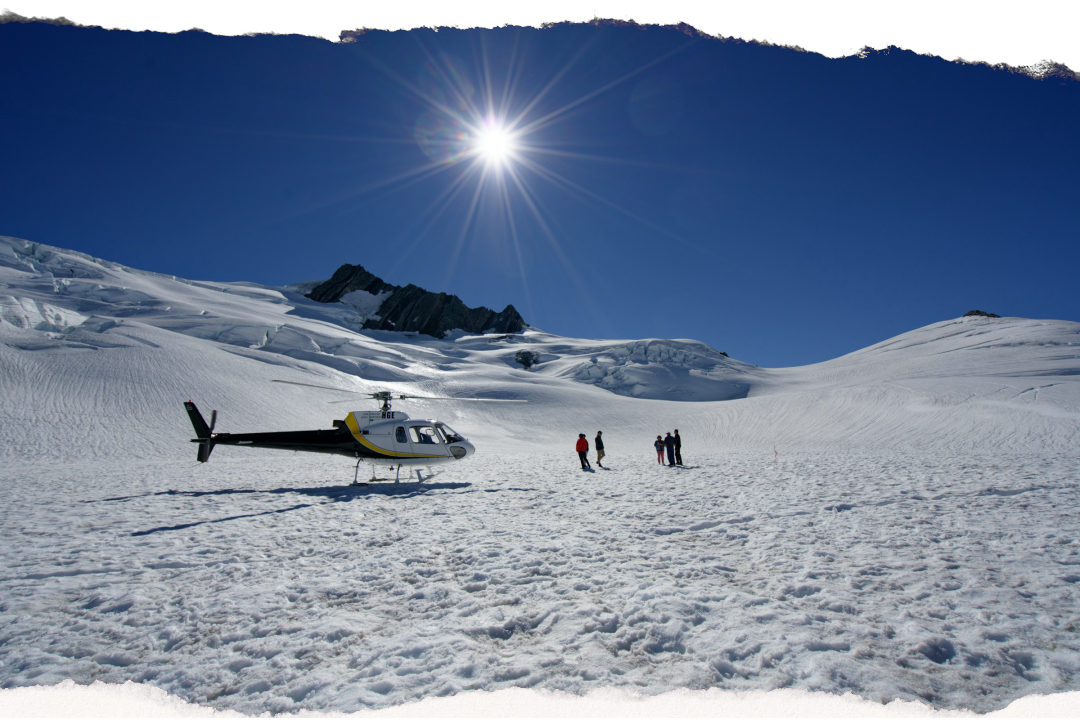
On the West Coast, two glaciers, Franz Josef and Fox, flow down off the Southern Alps and end in temperate rainforest, something that happens almost nowhere else on earth. The only way onto the ice is by helicopter.
This is the clearest example of the choice that comes up again and again on a trip like this, because the two versions are not remotely the same day. One is a lookout at the valley floor, where you stand behind a rope and look at a grey wall of ice a long way off. The other is a ten minute flight up the valley, a landing on the ice itself, crampons on, and two hours or so walking through blue ice, crevasses and the caves and arches that reform every season. Same glacier. One of them you will remember.
Tip: the flights only go in good conditions, and the West Coast gets a lot of weather. We build your trip with a spare day in the region, so a cancelled morning has somewhere to go.
3. Mou Waho, a lake on an island in a lake
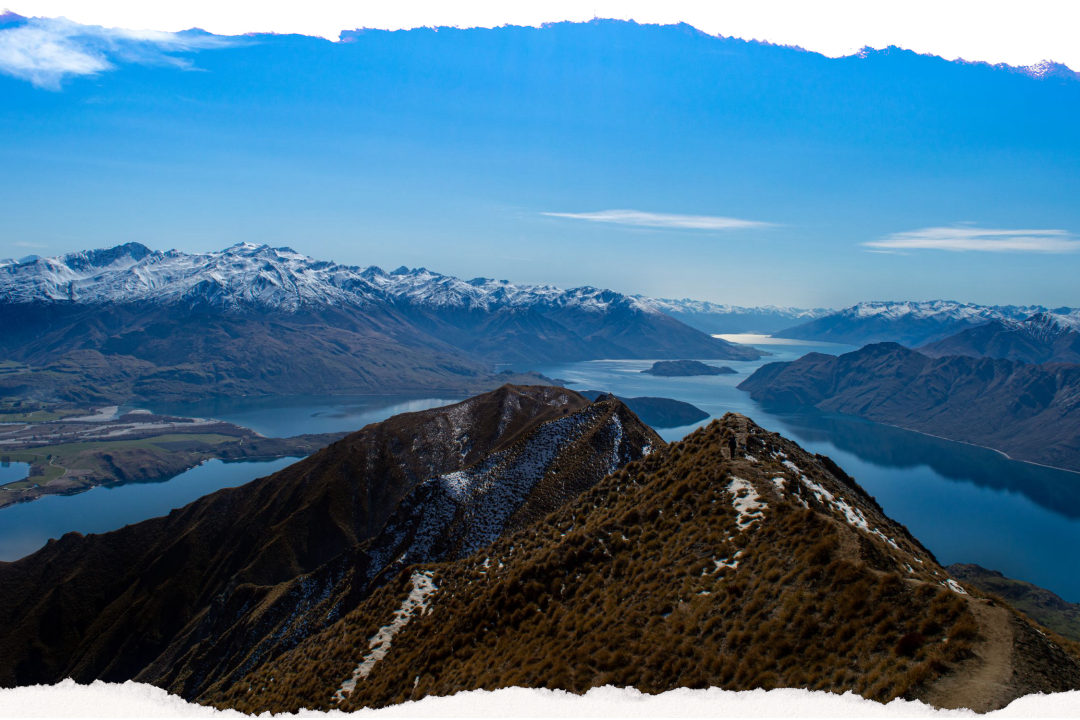
Wanaka is a lovely town to sit in with a coffee and look at the lake. Almost everyone does exactly that. Rather fewer get out onto the water, and fewer again get to Mou Waho, an island nature reserve about thirty five minutes up the lake by boat, with no road, no jetty queue and no crowd.
The island is free of rats, stoats and possums, which means the birds behave the way they did before any of that arrived. Buff weka, flightless and extinct on the mainland for over a century, walk up to your feet and inspect your shoes. Then you climb up through the bush and come out at Arethusa Pool, a small lake near the top with its own little islands in it: an island in a lake, on an island in a lake, on an island in the ocean. Guests plant a native tree before they leave, and it stays there.
Tip: the track up is steep in places and loose underfoot, so proper shoes matter more than you would expect for a half day out. The lake is also usually flattest in the morning.
4. Lunch with nowhere else to be
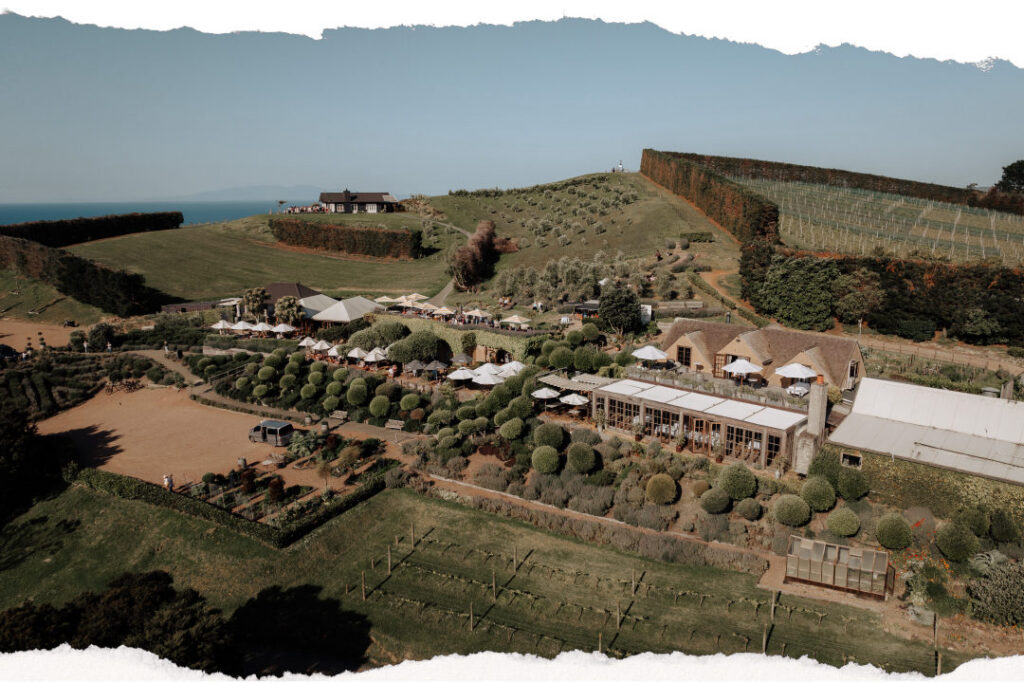
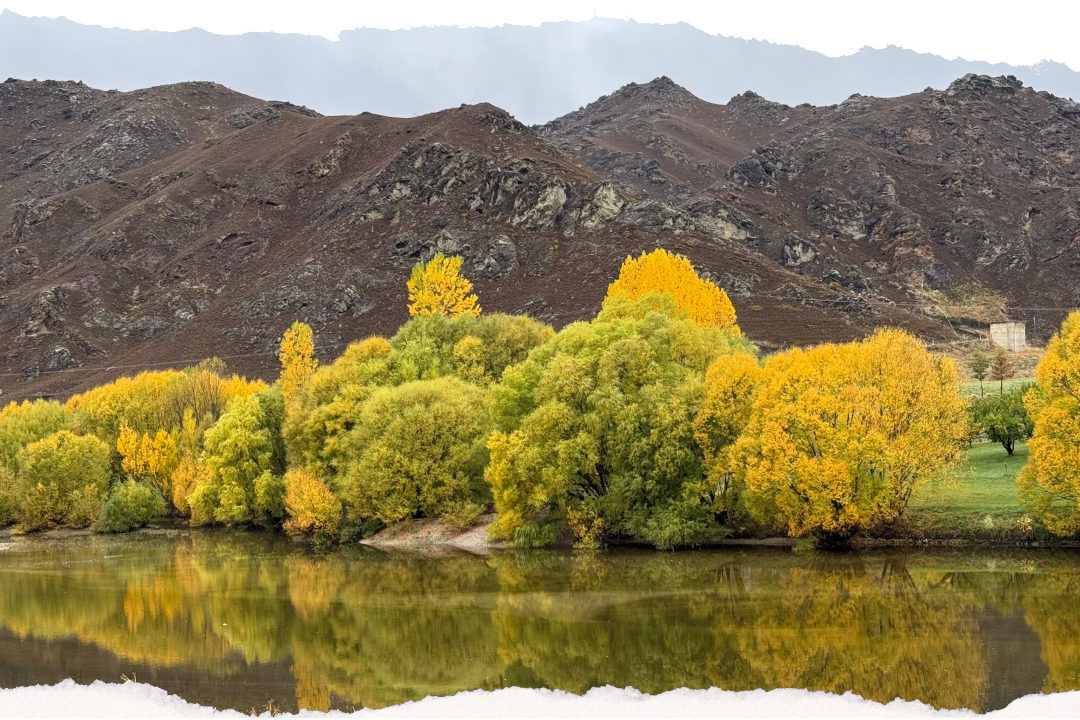
Central Otago is the southernmost wine country in the world, and it looks nothing like wine country anywhere else: brown schist hills, wild thyme, and dry valleys running down toward the water. On the road between Queenstown and Arrowtown, near Lake Hayes, Mora sits in a garden behind an old cottage, with its vineyards away over in Bannockburn and Pisa. The name is Latin for to linger, which tells you what the place is for.
The ordinary version of this is a good dinner in town at the end of a full day, eaten a little late and a little tired. The better version is arriving at midday with nowhere else to be. Chef John Pickens cooks from scratch, with produce gathered from around the South Island, and the food is built for sharing slowly across a table rather than admiring one plate at a time. You sit out in the garden, work through it with the wines off their own vines, and nobody hurries you.
Tip: the kitchen only runs through the day, so this is firmly a lunch. We build it into the middle of a day rather than the end of one, and leave what follows it open.
5. Milford Sound, without the coach
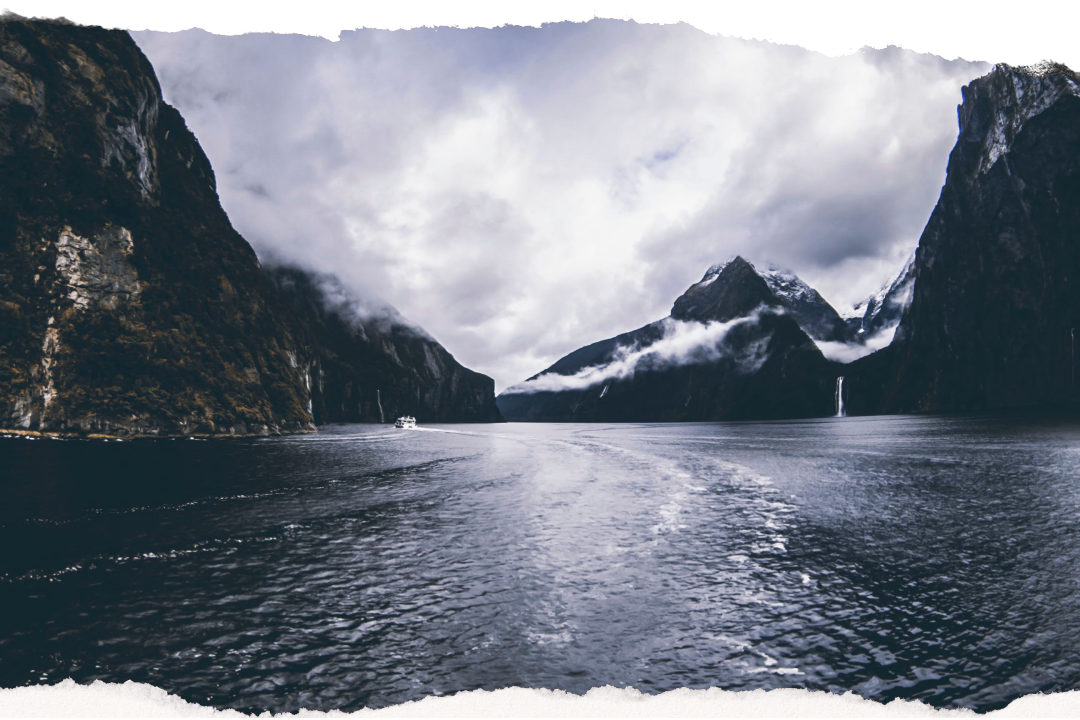
Milford sits over in Fiordland, on the far side of the Southern Alps, and getting to it is the whole problem. Most people do it as a day trip from Queenstown: 295 kilometres each way, a coach at seven in the morning, back after dark, twelve or thirteen hours of which under two are actually spent on the water.
We would rather move you closer. Te Anau sits on the edge of Fiordland, 121 kilometres from the sound and a little over two hours up the Milford Road, a great drive in its own right. Stay there the night before and the day changes shape: breakfast at a sensible hour, time to stop along the road rather than watch it pass a coach window, and a couple of hours on the water beneath walls that rise more than a kilometre straight out of it, before the Queenstown buses arrive. Rain is no bad thing here either. Milford takes several metres of it a year, and a wet day sets hundreds of temporary waterfalls running down the cliffs.
If time is short, a light aircraft from Queenstown covers in forty minutes the ground that takes five hours to drive, and hands most of the day back to you.
Tip: the glowworm caves on the far shore of Lake Te Anau are worth the second night. A boat across the lake, then a small punt through a dark grotto lit by thousands of them, a couple of hours in the evening. Far fewer visitors know it than Milford, and there is only one licensed way in.
6. Where you sleep is a third of the trip
It is easy to think of accommodation as just somewhere to sleep between the days out. On a two week trip it is also roughly a third of your time here, and in New Zealand the place you wake up shapes the day more than almost anywhere.
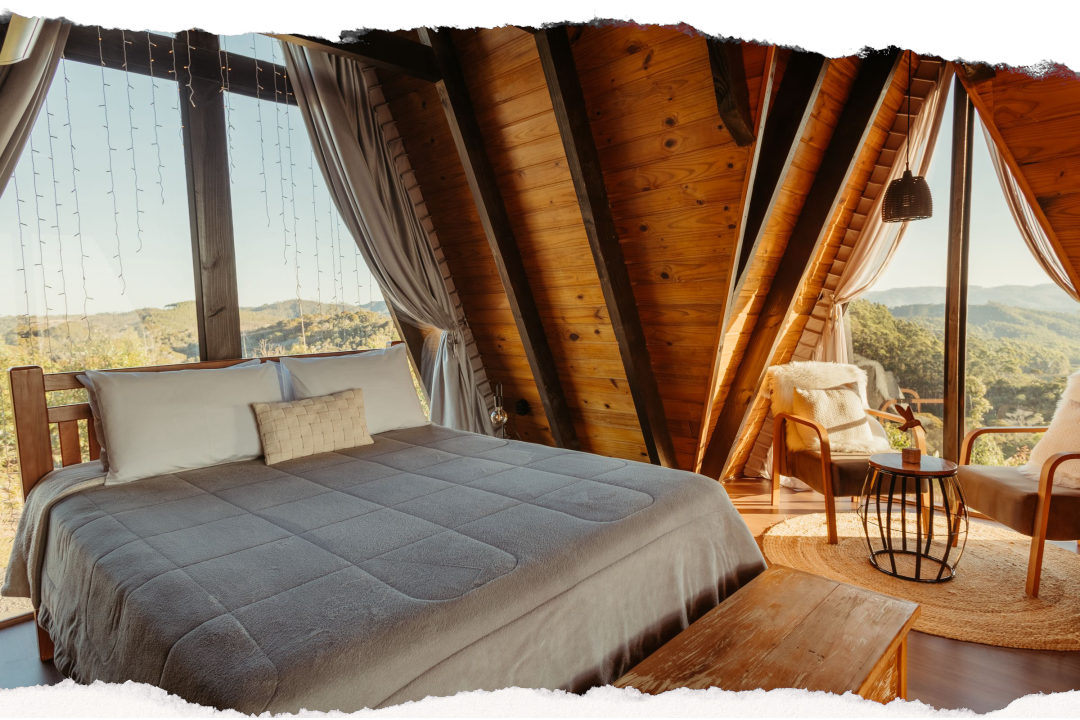
The country’s small lodges are not big hotels with better carpet. Most run somewhere between four and a dozen rooms, on a high country station or a stretch of lakeshore with nothing else in sight, and the kitchen cooks for however many people are staying that night rather than to a menu. You get quiet, space, and a view out of the window that is the reason you came. An international chain hotel in Queenstown is perfectly comfortable, and it could be in any country on earth.
Tip: a lodge with eight rooms sells out a long way ahead, especially over the New Zealand summer. Tell us your dates as early as you can and we will work out what is realistically still open.
Someone watching the weather so you don’t have to
Almost everything on this page depends on the weather or on a small operator with limited spaces, which is precisely the risk of building a once-in-a-lifetime trip out of the best days rather than the safe ones. The flight goes or it does not. The lake is flat or it is not.
That is most of what a guide is actually for. They are watching the forecast two days out, moving the glacier morning to the Thursday, ringing ahead so the afternoon still works, and sorting it before you have noticed there was anything to sort. The rest of the time they are simply driving, pointing things out if you want them pointed out, and leaving you and your family to it if you would rather just look out of the window.
If this is your one trip, let’s build it properly
Tell us roughly when you would like to travel, who is coming, and which of these you would not want to miss. We will tell you honestly what it takes to do each one well, which to build the trip around, and how to make them all fit.