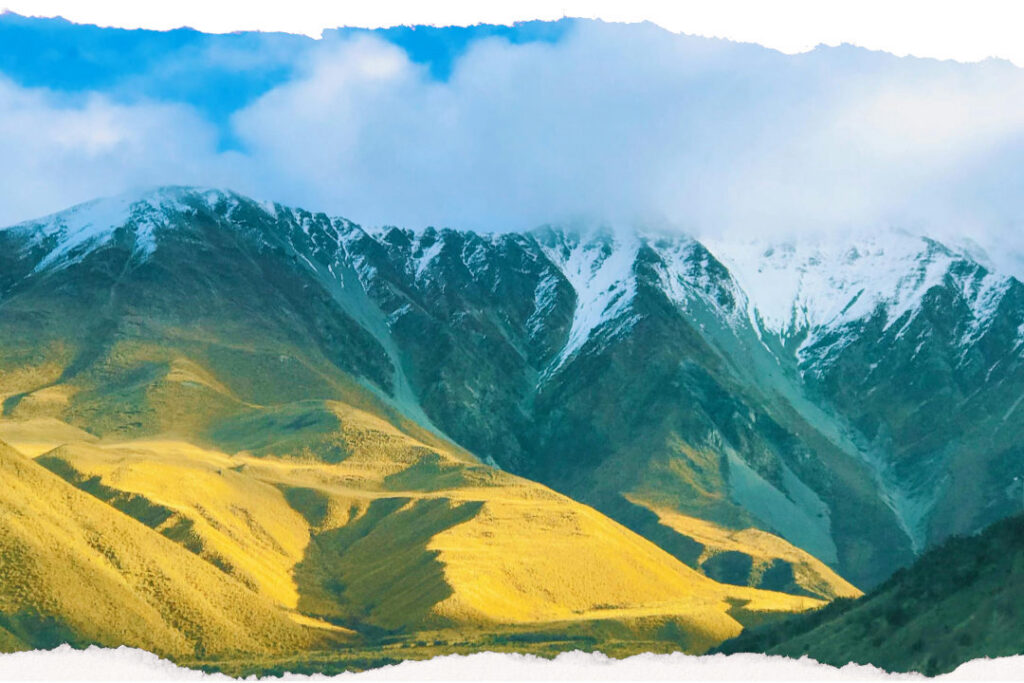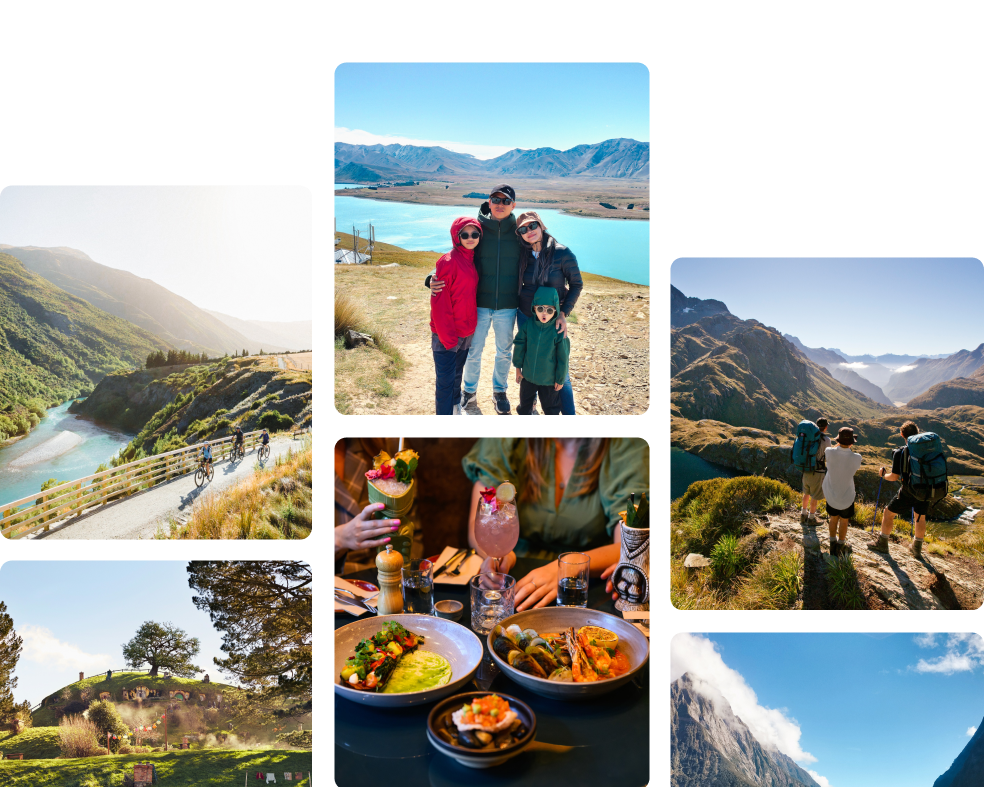


More than twenty years on, what still surprises people about The Lord of the Rings is how little of it was built. Peter Jackson filmed the trilogy in places that already existed: paddocks above small farming towns, gullies on private high country stations, river valleys you can drive into today. The hobbit holes were dug. The mountains were the mountains. New Zealand was Middle-earth because, in a lot of ways, it already looked the part.
If you grew up on the films, the country is full of doubles for places you can still quote line by line. Here are five of our favourites, including one we can get you inside more easily than most.
1. Hobbiton: the Shire that stayed
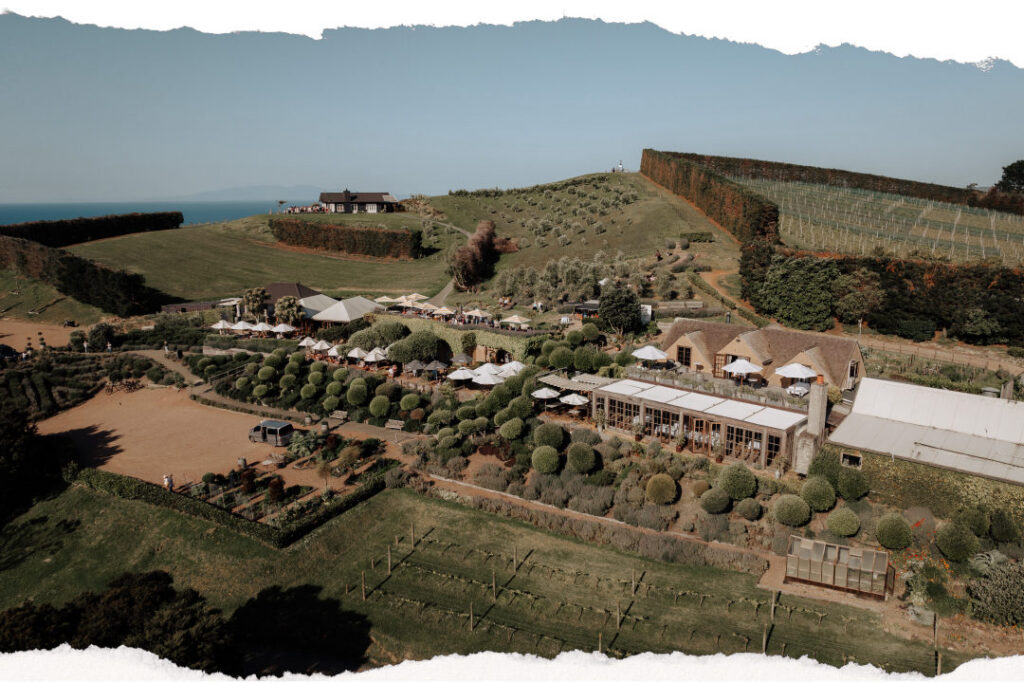
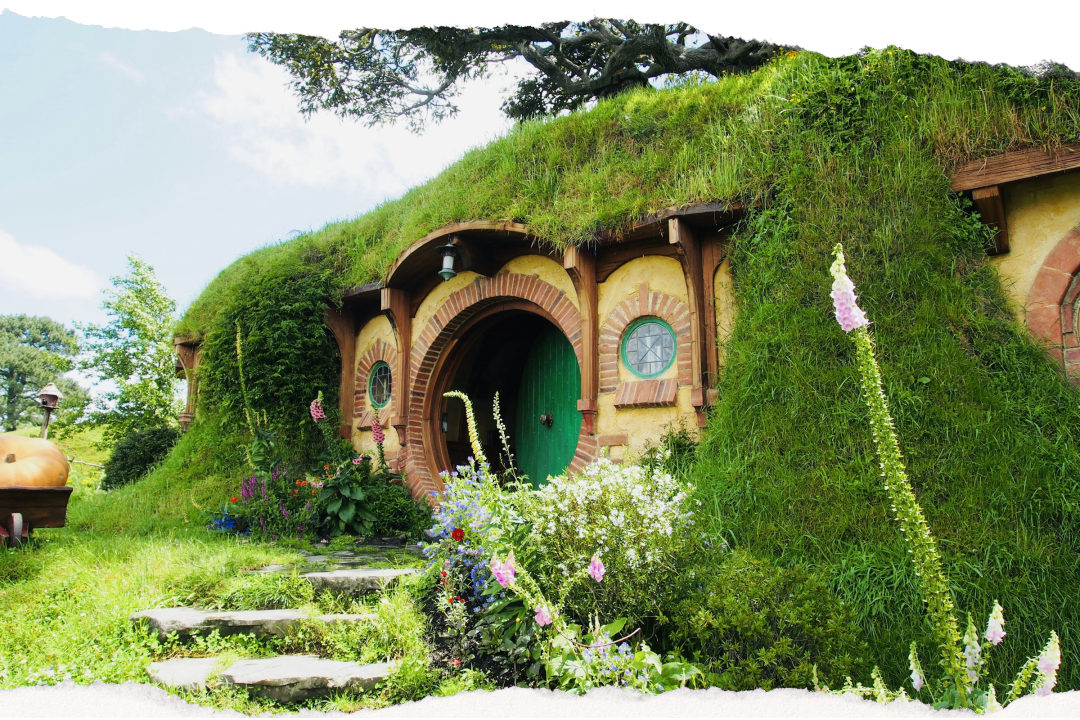
In a sheep paddock outside Matamata sits the only major set Jackson ever left standing. Hobbiton has more than forty hobbit holes built into the green hills, Bag End at the top of the rise, the Mill and the Party Tree below, and the Green Dragon Inn pouring its own ale at the end of the walk. The roses are real. The vegetable gardens are real. A team turns up before sunrise to keep it looking exactly the way it does on screen.
Tip: the evening Banquet Tour at the Green Dragon is the quieter way to do it. You arrive after the day-trippers have left, eat a long meal in the inn, and walk back through a lantern-lit Shire after dark.
2. Edoras: Mount Sunday in the Hakatere
A few hours inland from Christchurch, past the braided rivers of the Rangitata, the road runs out at the foot of a single rocky hill standing alone in a wide tussock basin. That is Mount Sunday, in the Hakatere Conservation Park. For nine months it was the capital of Rohan: Edoras, Meduseld, Theoden’s hall, all sitting on top of that hill.
Nothing is built there now. The set came down years ago and the wind has had the place back to itself ever since. You walk up the saddle, look out across the Southern Alps, and the scale of what they did up there starts to make sense. It is one of those locations where the film almost feels redundant; the landscape was doing most of the work.
Tip: dress for more than you think you need. The Canterbury high country can be warm in town and properly cold up on the saddle, especially with the wind running off the alps.
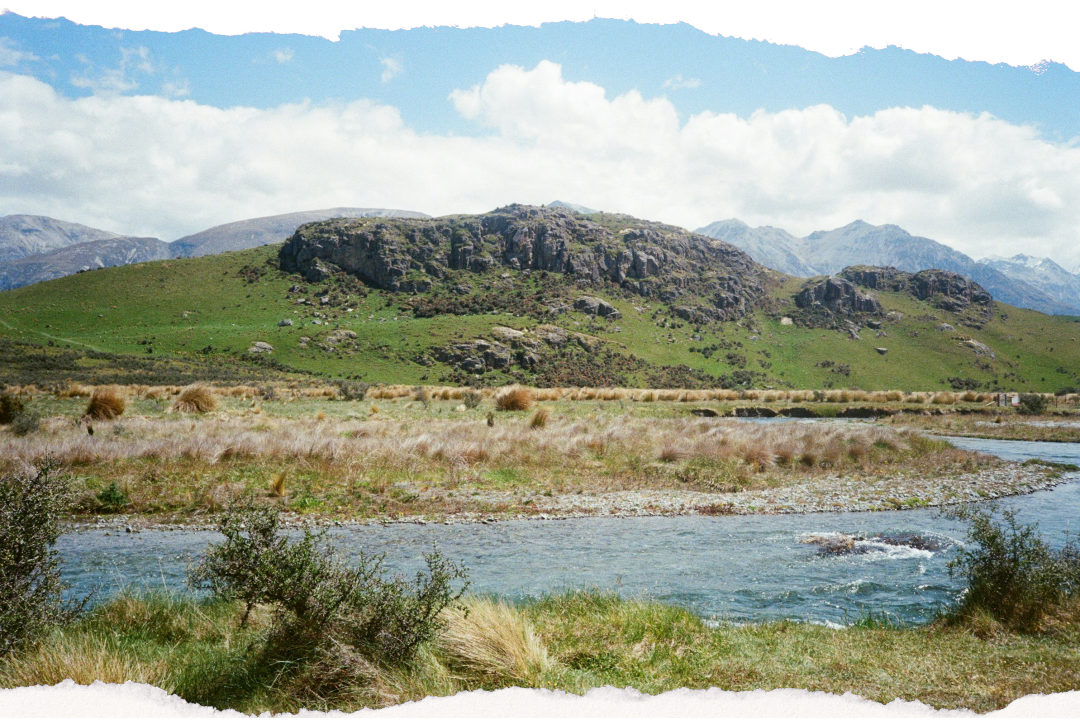
3. Poolburn: the Rohan plains, behind the gate
Two hours into Central Otago, on a private high country station above the Maniototo, sits a small reservoir circled by schist tors and tussock. This was the Rohan plains. The Eomer encounter, where the three hunters first meet the Riders; the gully where Pippin’s elven brooch is found; the ridge the orc-fixated Uruk-hai climb in the line that became its own internet life: all filmed within walking distance of each other, on land you cannot just drive onto.
Most of these spots are on Bonspiel Station, behind farm gates, on land that belongs to Sue and Sarah. We have an arrangement with the family that lets us bring guests in to walk the gullies and stand on the ridges where the scenes were shot. It is not a drive-by; you are properly in the country.
Tip: the road in is rough four-wheel-drive country and it can blow hard up there. We have the vehicles and the layers, and we work the timing around the light so the tussock is doing what it does on screen.
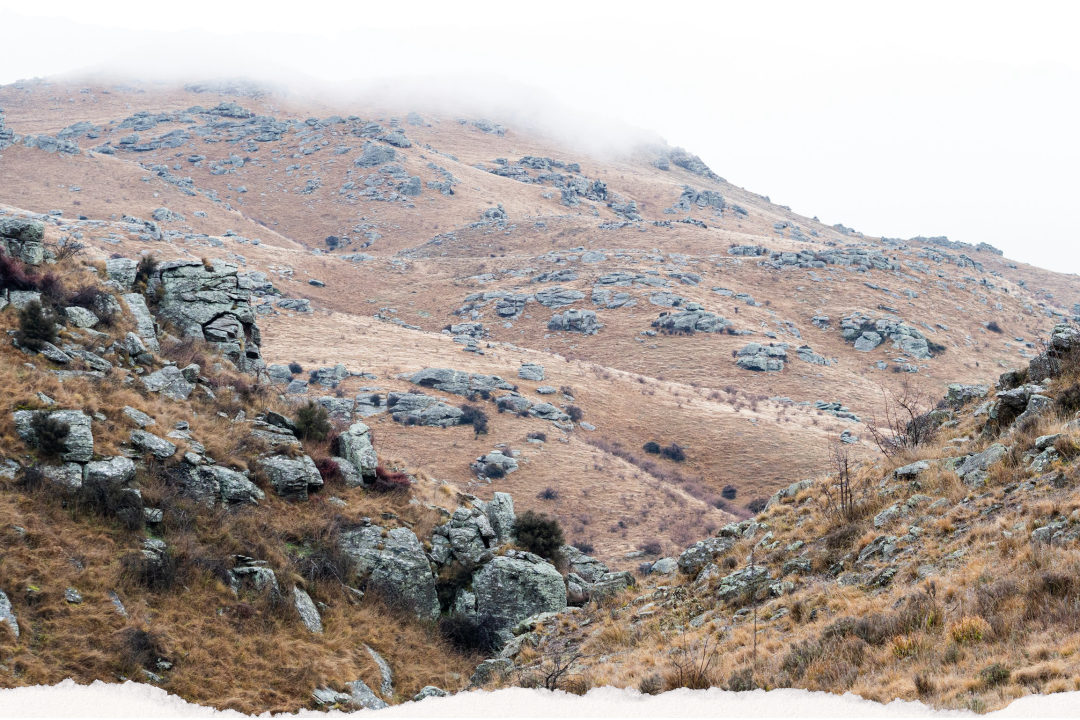
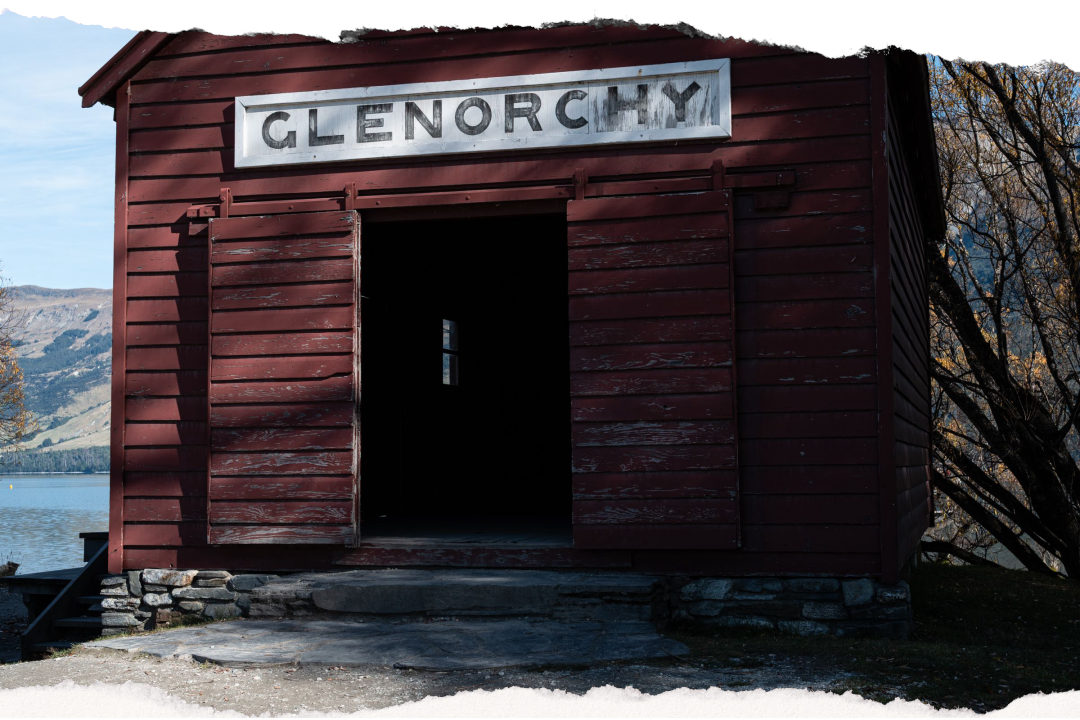
4. Glenorchy and the Dart: Lothlorien and Isengard
At the top of Lake Wakatipu the road turns inland and runs out at Glenorchy. Past there, the Dart River cuts through beech forest and snow-fed valleys that gave Jackson a remarkable amount of the trilogy: Lothlorien, Isengard’s plains, Amon Hen, parts of Fangorn. A jet boat trip up the Dart is the easiest way to see it. The water threads in among the same mossy beech, with the Southern Alps closing the valley off at the top.
If you would rather walk, the start of the Routeburn Track follows the same river. Even an hour in is enough to feel why the location scouts came home with photos.
Tip: a half-day jet boat run includes a short forest walk into one of the recognisable beech groves. It is the quickest way to put yourself inside a scene without committing to a multi-day hike.
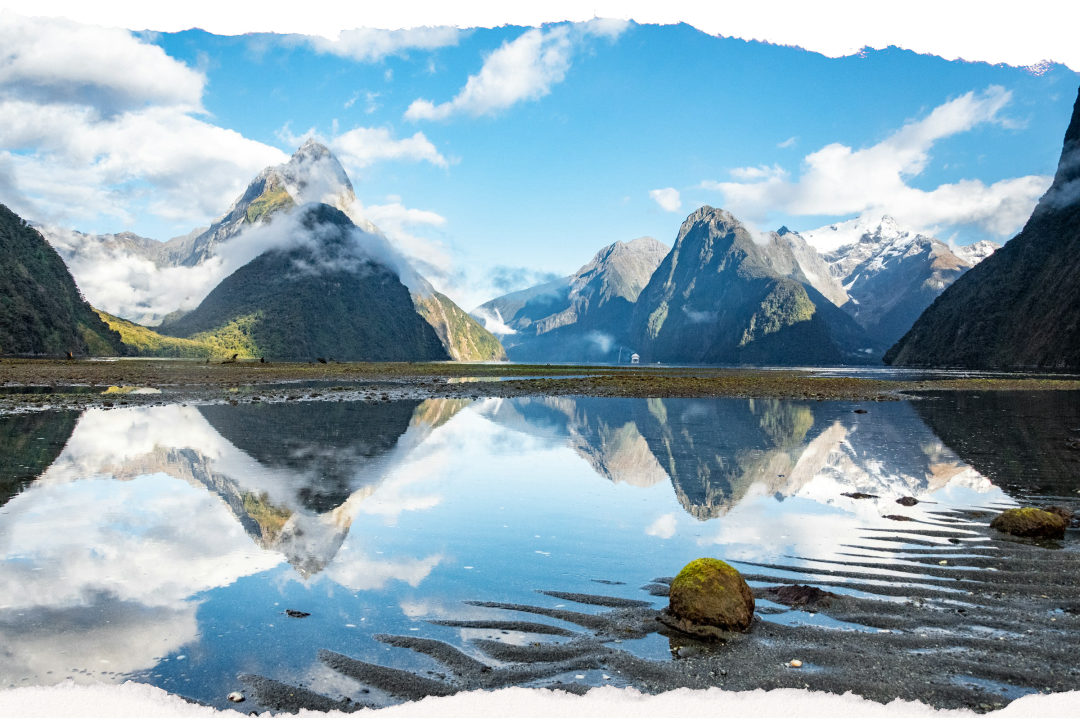
5. Fiordland: the Anduin and the Misty Mountains
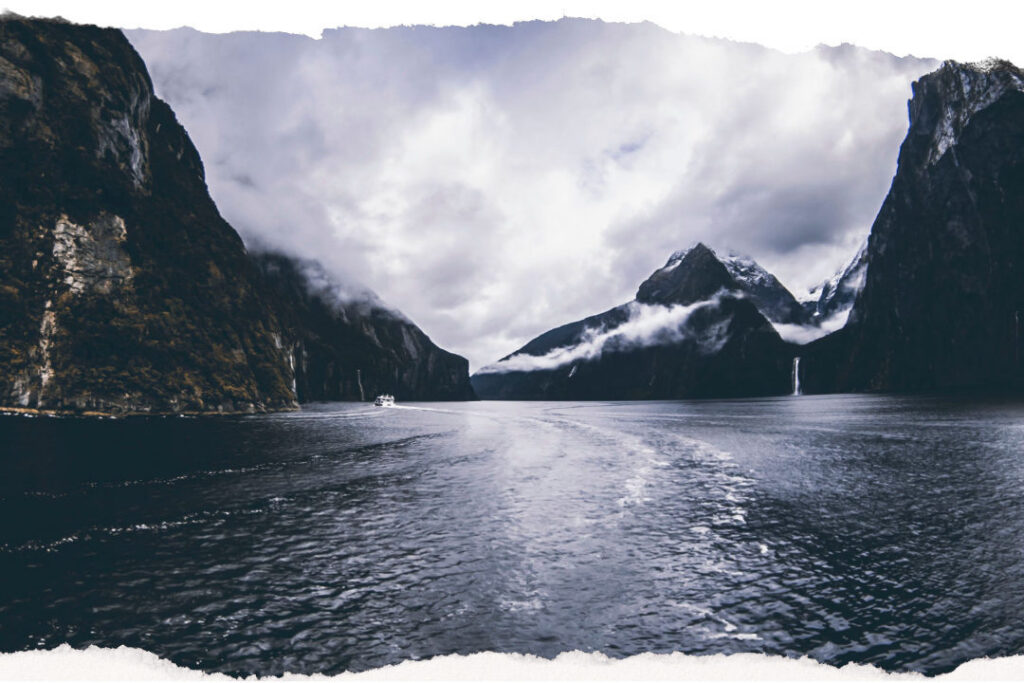
South-west of Queenstown, Fiordland is where the maps run out. Mitre Peak above Milford Sound, the dark water of Doubtful, the deep valleys of the Hollyford and the Eglinton: this was the country used for the long aerial flights over the Misty Mountains, parts of the Anduin, and the wide establishing shots that opened the world out. A lot of it can only be seen from a boat, or from the air.
You do not need to spot a particular frame here. Standing on the deck of an overnight boat in Doubtful Sound, with a thousand metres of granite either side and almost nobody else on the water, is more or less the experience the films were built around.
Tip: an overnight cruise into Doubtful takes you past the day-trip line, into water where the wildlife and the silence change. It is a strong night to place toward the end of an itinerary.
Someone who reads the country, and the film
A trail like this works because of small things: which gate to call ahead about, which side of the hill the light is on in the afternoon, which buses to time your visit around. Your guide knows the country and the families on it, has the four-wheel drives and the layers and the rough road covered. They will hand you the quote at the right moment, or stand back and leave you to it, depending on the kind of day you are having.
You are not chasing a checklist. You are walking through a film, in the order that suits you.
Walk a trilogy through real country
From the Shire to Fiordland, we build private trips around the films at your pace, including the spots that take some quiet groundwork to arrange. Tell us roughly when you would like to travel and where to start.