

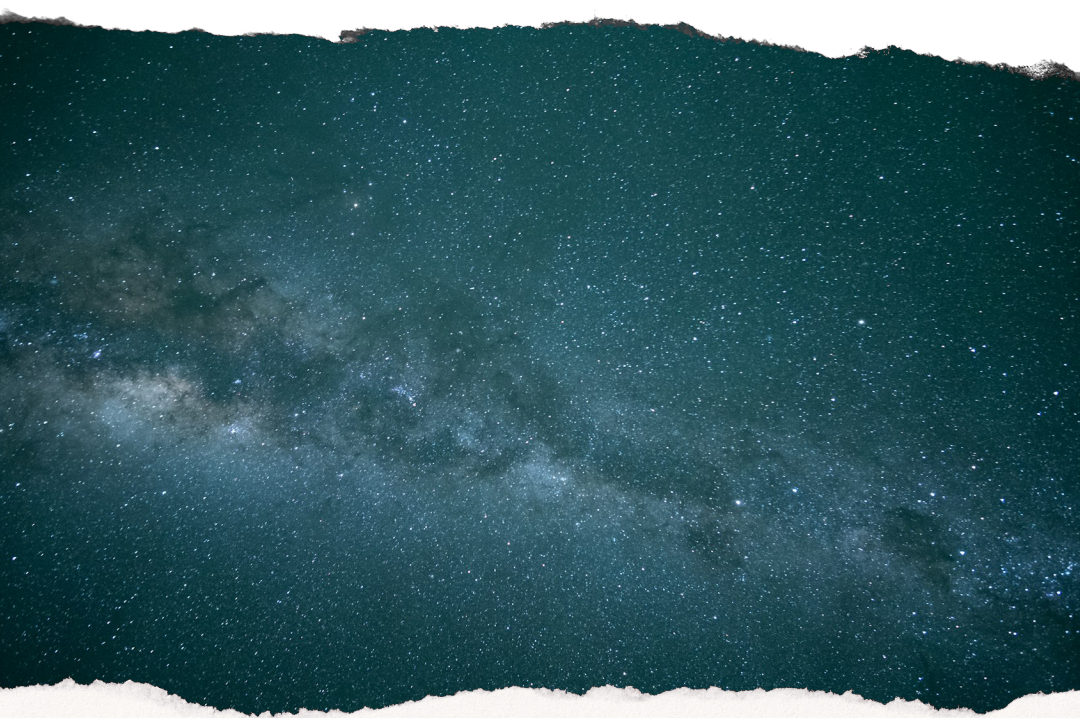
Somewhere over the South Island tonight, with no town lights for a hundred kilometres in any direction, the Milky Way will rise in a band so bright you can trace the dark dust lanes running through it with the naked eye. Most people have never seen a sky like that. More than three quarters of the world now lives under light-polluted skies, and the true dark has quietly become something you have to travel for.
New Zealand is one of the best places left to find it. The country holds some of the clearest, darkest skies on Earth, including a vast Dark Sky Reserve in the Mackenzie Basin and a Dark Sky Sanctuary that covers almost all of Stewart Island. Here are the places we take guests to look up, and the times of year that reward the effort.
1. The Aoraki Mackenzie Dark Sky Reserve
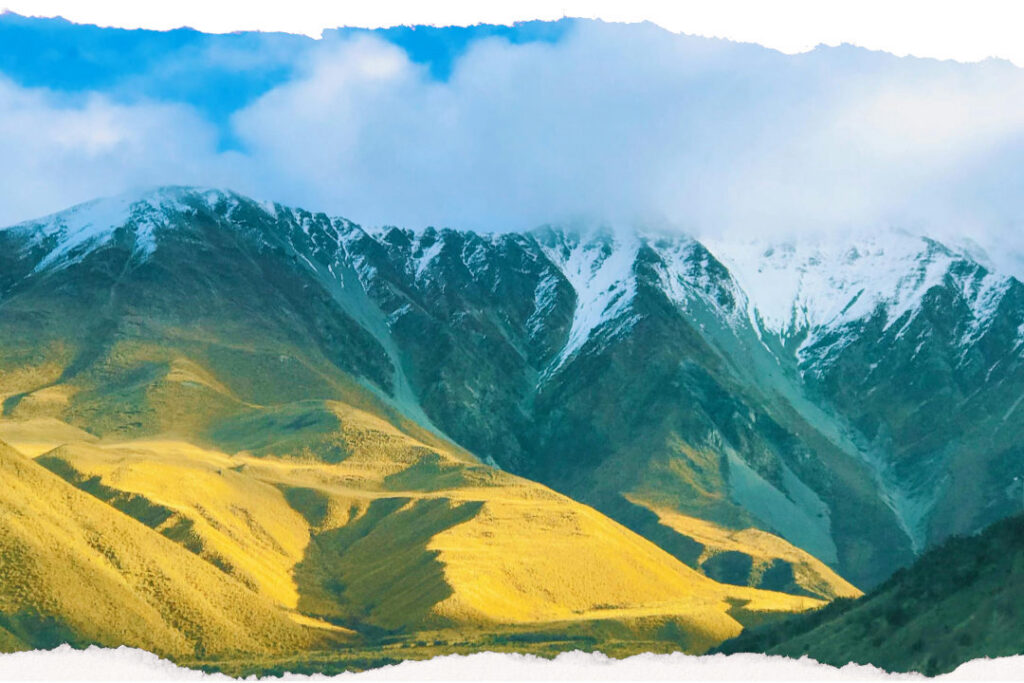
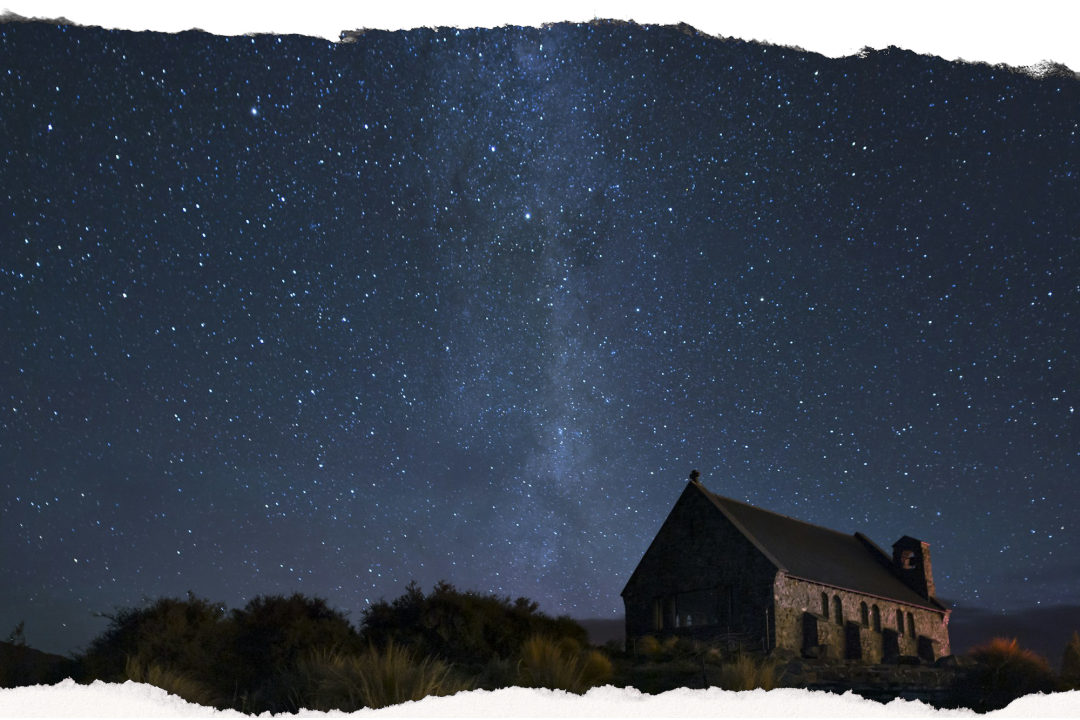
The Mackenzie Basin is the largest dark sky reserve in the Southern Hemisphere, more than four thousand square kilometres of high country where the outdoor lighting is deliberately kept low. On a clear, moonless night the sky here is genuinely overwhelming: the Milky Way stretched from one horizon to the other, the Southern Cross, and the two Magellanic Clouds, our neighbouring galaxies, sitting in plain sight.
Aoraki/Mt Cook anchors the whole basin. A few minutes from the village, away from what little light there is, the summit catches the sun’s final glow after the valleys have fallen into shadow, and then the stars take over. Most people find they have stopped talking without meaning to.
Tip: The darkest skies fall on the nights around a new moon. A full moon, lovely as it is, washes out the fainter detail, so we time stargazing around the lunar calendar wherever we can.
2. Lake Tekapo and Mt John
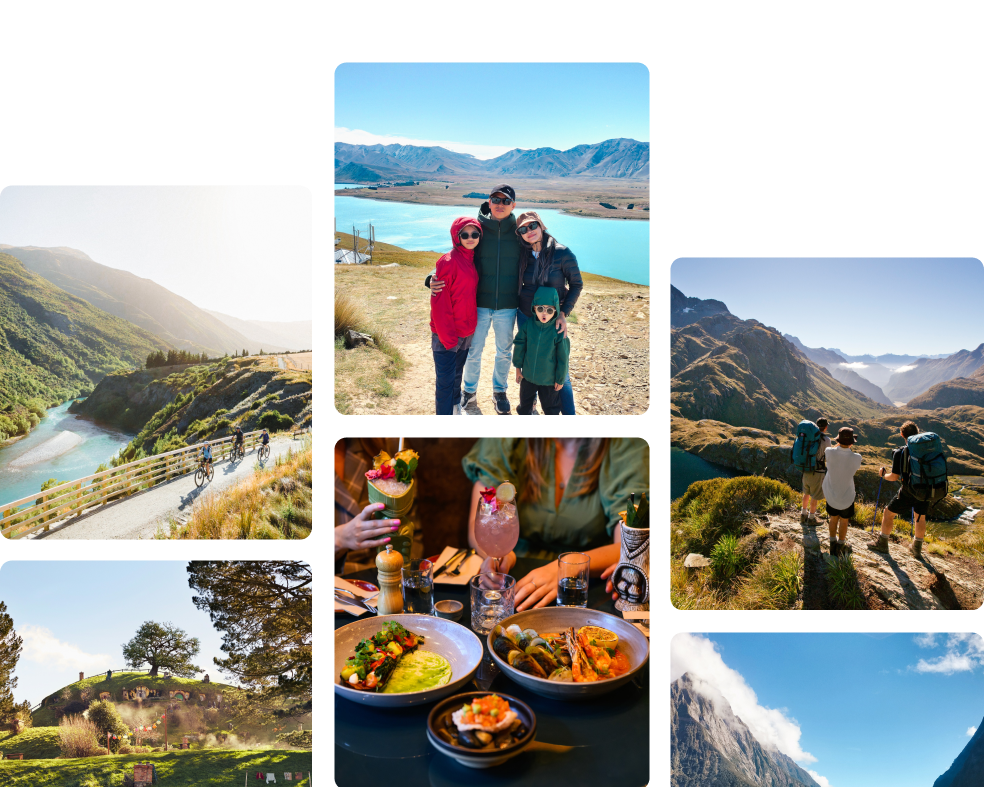
An hour up the road, the little stone Church of the Good Shepherd sits on the shore of Lake Tekapo, turquoise water and the Southern Alps behind it. It is one of the most photographed spots in the country by day, and after dark it stands under that same protected sky. Above the town, Mt John runs guided night tours through the University of Canterbury observatory, with real telescopes and an astronomer on hand to show you what you are looking at.
If you would rather take it in slowly, Tekapo Springs lets you watch the sky from a warm outdoor hot pool, head tipped back while the stars wheel overhead. It suits everyone from grandparents to half-asleep children, which makes it an easy first night for a family still finding its feet.
Tip: Dress warmer than you think you need to. The Mackenzie sky is at its best in the cold, still air from about May to August, and a clear night out here gets properly cold.
3. Stewart Island and the Southern Lights
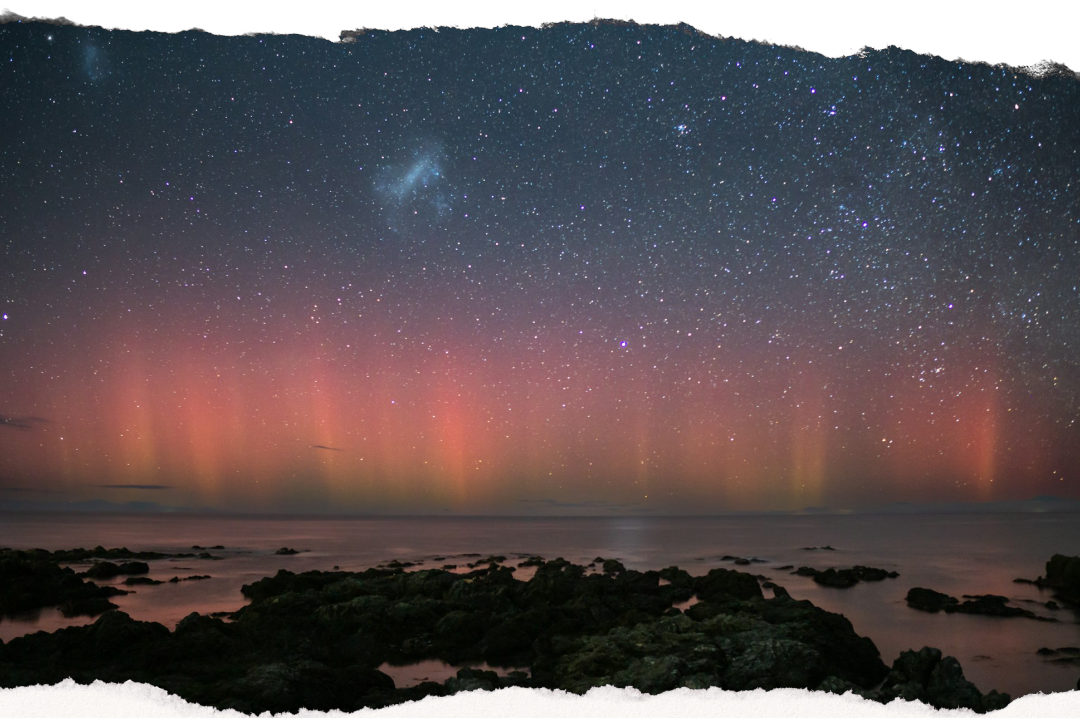
Right at the bottom of the country, Rakiura/Stewart Island is one of only a handful of certified Dark Sky Sanctuaries in the world, and the protection reaches almost the entire island. With barely any permanent lighting and the open Southern Ocean beyond, it is about as dark as an inhabited place gets. Local guides run small “Twinkle” tours out under the stars whenever the weather plays along.
The far south is also New Zealand’s best window onto the aurora australis, the Southern Lights. They are never guaranteed, they depend on solar activity and a clear, dark horizon, but when the sky does flush green and pink over the water, it tends to stay with people for a long time.
Tip: Aurora chances are highest in the darker months, roughly April to September, on clear nights looking south. We keep an eye on the aurora forecast while you travel and can shuffle an evening if the conditions line up.
When to come for the stars
The good news is the southern sky has something worth seeing all year. The Milky Way is at its most spectacular through the New Zealand winter, roughly May to September, when the bright core of the galaxy climbs high overhead. Those same long, cold, clear nights are prime aurora season and hand you the most hours of darkness to work with.
Summer skies are still excellent and far kinder for standing out late, with the Southern Cross and the Magellanic Clouds on show. Whatever the season, it comes down to two simple things: a clear sky, and as little moon as possible.
Someone who knows where the dark is
A good night under the stars turns on small details: which night of the month the moon stays down, where the cloud is likely to sit, the unmarked pull-off down a gravel road where the view opens up and nobody else is around. Your guide keeps track of all of it, checks the forecast against your plans, and has the warm drinks and the timing sorted, so the one thing left for you to do is look up.
There is no schedule out there. You stay as long as the sky holds you, and the drive back is already taken care of.
See New Zealand after dark
From the Mackenzie Basin to the far south, we plan private trips around the clear, dark nights as carefully as the days. Tell us roughly when you would like to travel, and we will build it around the best of the sky.