

For a lot of visitors, Māori culture is one evening on the itinerary: a performance, a hāngī dinner cooked in the ground, a bus back to the hotel. But you can go further than that down here. Te Waipounamu, the South Island, is Ngāi Tahu country down most of its length, with the iwi (tribes) of Te Tau Ihu at the top of it, and the culture is woven through the food, the history and the land itself, if you know where to look.
The easiest place to start is where most good things start down here: with kai, the food. From there it opens out into a waka (WAH-kah), a canoe, on the water up north, ancient drawings in the hills, stone with a story, and the whales off Kaikōura.
1. A food safari through Ōtautahi
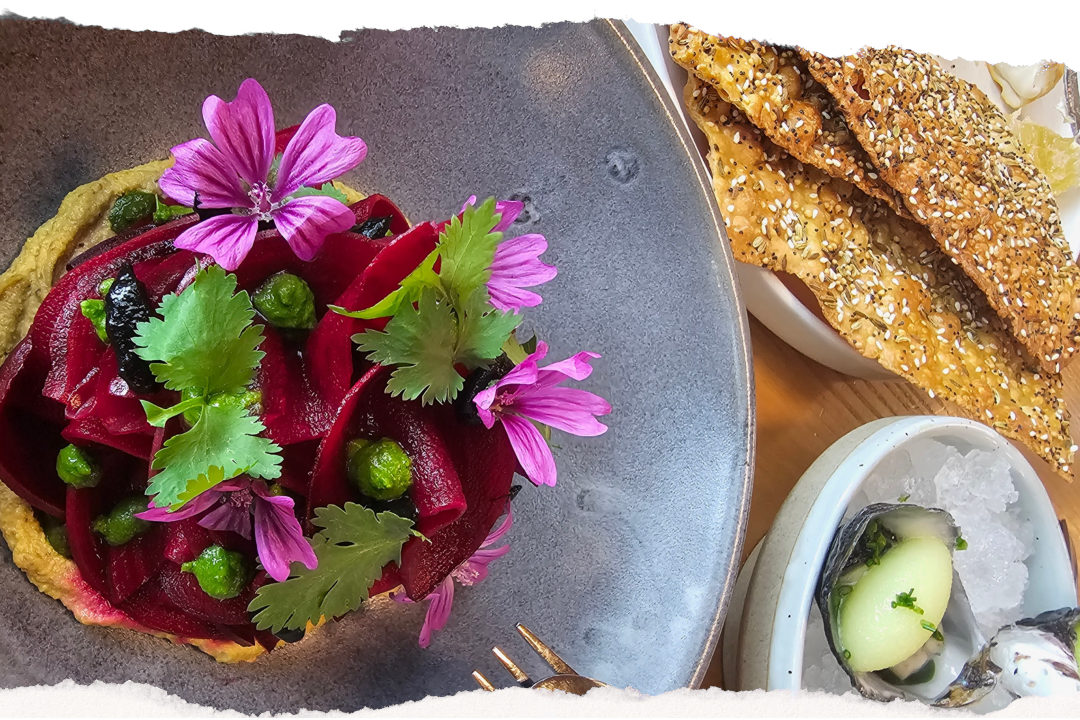
In central Christchurch, known to Māori as Ōtautahi, you can spend a couple of hours walking the laneways on foot with a Māori guide, ducking into the cafes, market stalls and food trucks that locals eat at. Between the stops you get the older story: mahinga kai, the way Ngāi Tahu gathered food from the rivers, the plains and the coast long before there was a city here. And you get the newer one, how the place cooks now, after the earthquakes and the rebuild.
Tip: come hungry and leave room. The stops are small but they add up.
2. Out on a waka at Kaiteriteri
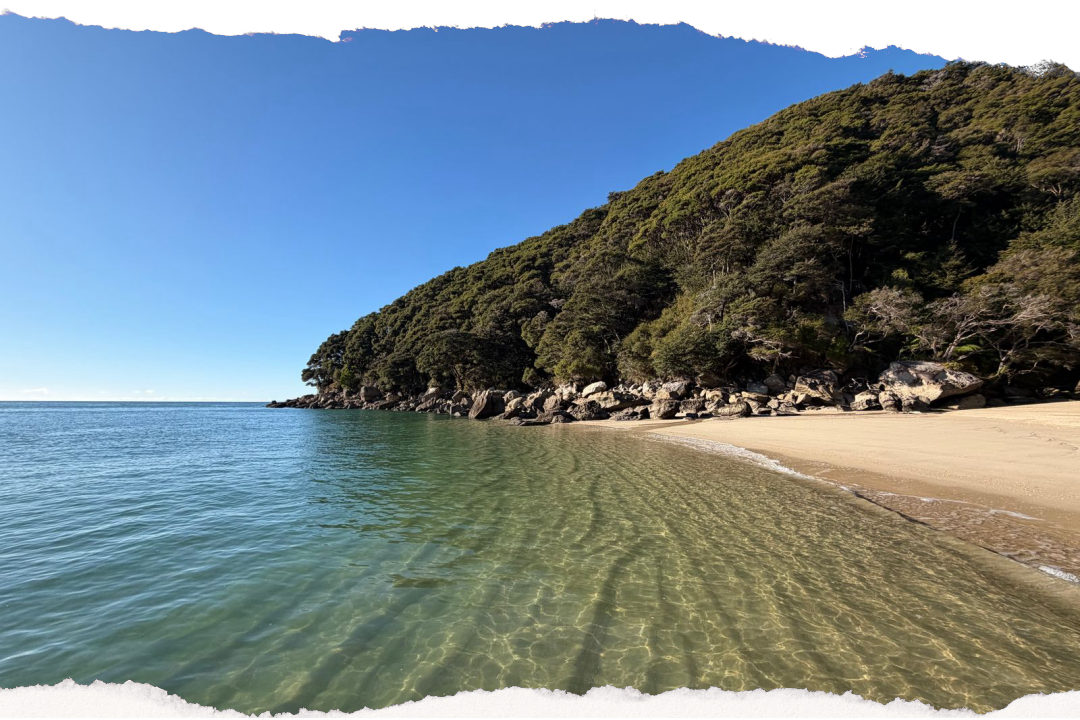
At the top of the South Island, past Nelson, the coast turns to granite headlands and yellow sand. This is Te Tau Ihu, with its own iwi, Te Ātiawa, Ngāti Rārua, Ngāti Tama and others, and its own history, separate from Ngāi Tahu further south. From the boat ramp at Kaiteriteri you can take a double-hulled waka out along the Abel Tasman coast toward Split Apple Rock, Toka Ngāwha, with a guide steering and the paddling shared between about ten of you.
It is a working paddle rather than a cruise, roughly two hours on the water, and no experience is needed. There is an early version too, on the water at six in the morning, which marks Te Rā, the sun, and the start of things.
Tip: check-in is quarter to nine and you are back by midday, so it sits neatly before an afternoon drive. It needs arranging at least a day ahead and it depends on the weather, so keep it loose in the plan.
3. The rock art of South Canterbury
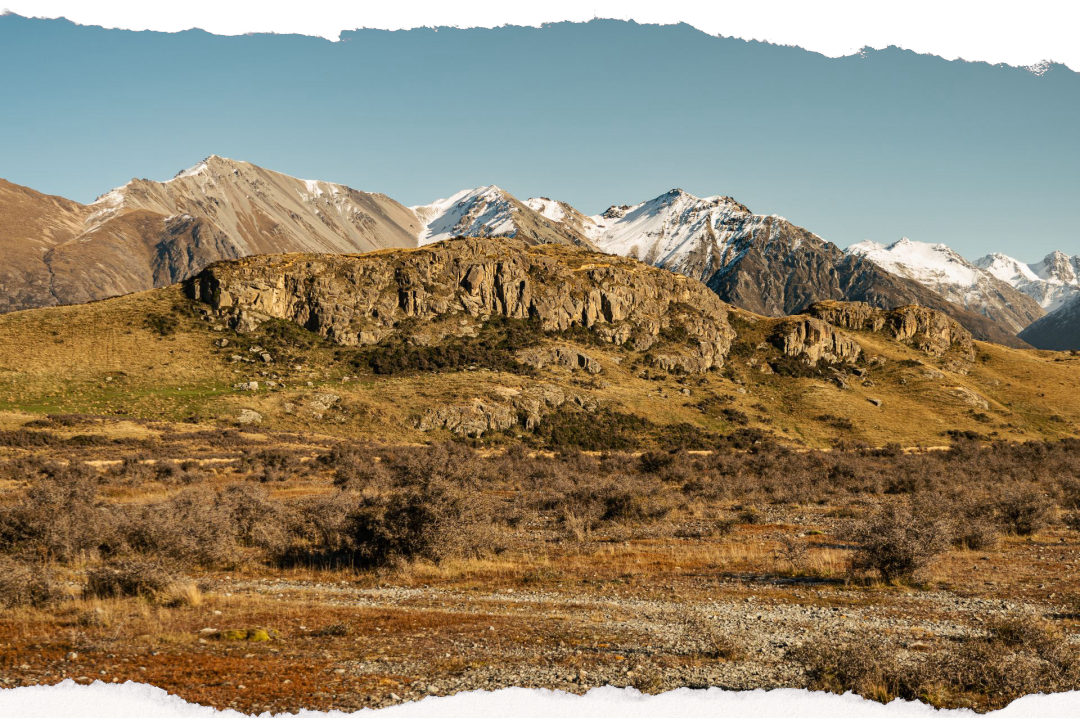
Inland from Timaru, in the limestone country, the overhangs and shallow caves hold some of the oldest art in New Zealand. Ngāi Tahu ancestors drew here in charcoal and ochre centuries ago: figures of people and birds, a taniwha, and Pouākai, the giant eagle that once hunted these plains.
Most of it you can simply drive to. Te Manunui, the Great Bird, is a two-minute walk from a small roadside carpark on Frenchmans Gully Road, twenty-five minutes out of Timaru, and holds drawings of birds, people and other figures. There are more overhangs on Middle Valley Road, between Pleasant Point and Geraldine, and on Three Mile Bush Road, where the drawings sit in a single shelter, mostly in red. If you want the fuller story behind them, the Ngāi Tahu centre in Timaru holds taonga (treasures) recovered from the sites and runs guided trips to shelters that are not open to the public.
Tip: wear proper shoes. The walk down to Te Manunui is grass and turns slippery in the wet, and the steps at Middle Valley are steep. The Valley of the Moa site sits on a working farm and closes through August and September for lambing and calving.
4. Pounamu, on the West Coast
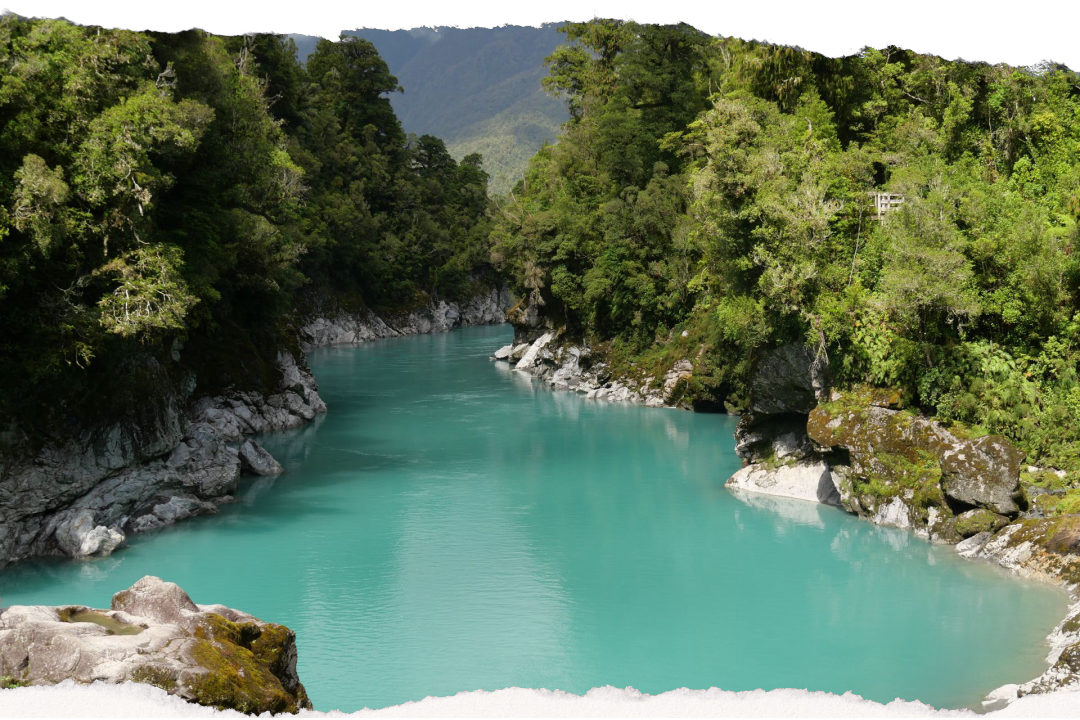
Over the Main Divide, the rivers of Te Tai Poutini, the West Coast, carry pounamu: the green stone that English speakers call greenstone or jade. For Ngāi Tahu it is a taonga, and since 1997 the stone has been theirs by law to look after. Around Hokitika you can watch it cut and carved, learn what the different shapes mean, and hear why a piece carries the weight it does.
The longer version is told along the Pounamu Pathway, a set of linked visitor hubs running up the coast from Awarua Haast to Kawatiri Westport, built with Wētā Workshop for Poutini Ngāi Tahu. The one at Māwhera Greymouth is the biggest of them: five storytelling whare set around a central ātea, and a sculpture of the chief Tūhuru standing well over life size.
Tip: tradition holds that pounamu is chosen as a gift for someone else, rather than bought for yourself. Worth knowing before you are in the shop deciding what to take home. Check on the Pounamu Pathway before you set out, too: the Māwhera hub took on water in the July floods and has been closed while it is repaired.
5. The whales at Kaikōura
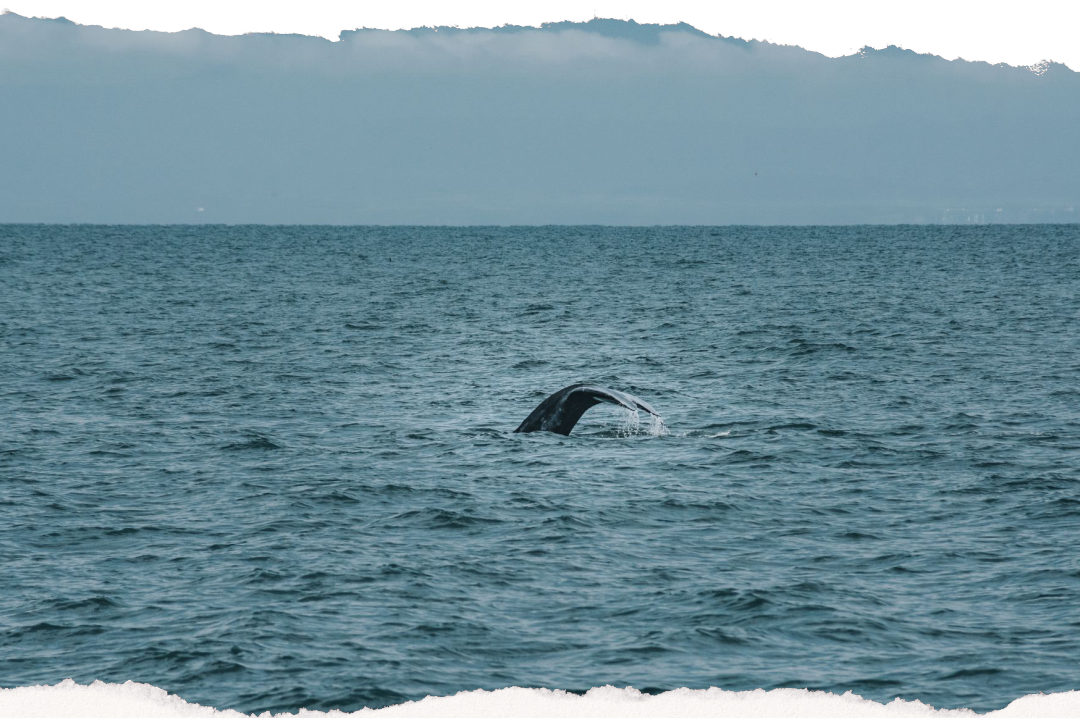
Up the east coast, the seabed off Kaikōura drops away into a deep canyon close to shore, and sperm whales feed there the year round. The whale watching here is owned and run by the local hapū (sub-tribe), Ngāti Kuri, part of Ngāi Tahu, who started it in the late 1980s to bring work and pride back to the community when times were hard.
The connection goes back a long way. Their ancestor Paikea is said to have crossed the ocean to New Zealand on the back of a whale, so for these families to make their living alongside the whales has a certain rightness to it.
Tip: the whales are resident, so there is no single season, but the sea is usually calmest in the morning. It is a good half-day to keep flexible around the weather.
A guide to help you understand more
Experiencing Māori culture can spark questions, deepen your curiosity, and open up new ways of seeing a place. A knowledgeable guide can help you make sense of what you encounter, offering context, talking through your questions, and helping you find the right people and sources to learn more.
They can also help you feel comfortable with local customs and tikanga (custom and protocol), so you can approach each experience with confidence and respect. Whether you want to explore a story in more depth or simply take a quiet moment to absorb it, a good guide gives you the support and space to do both.
See the South Island from the inside
We build private trips around the culture as much as the scenery, at the pace you want, and we handle the groundwork that some of these places take to arrange. Tell us roughly when you would like to travel and what you would like to see.