

Somewhere between choosing your dates and confirming your itinerary, a different sort of question usually turns up. Not “what will we see”, but “what happens if something goes wrong?” It’s a fair question when you’re travelling a long way from home, and it deserves a real answer with specifics attached.
Here’s the reality. Significant disruption is rare. Only a handful of trips each season need what we’d call a meaningful change once they’re underway. But New Zealand weather does what it likes, ferries get cancelled, and long-haul flights run late. So rather than telling you it never happens, here’s what actually happens when it does.
Weather is usually the culprit
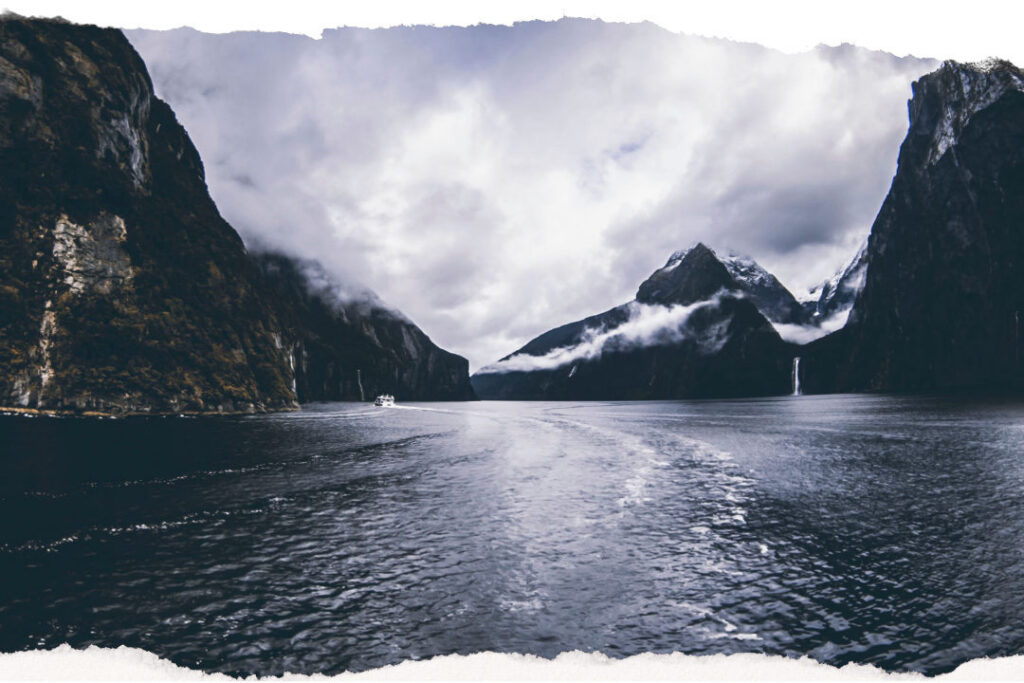
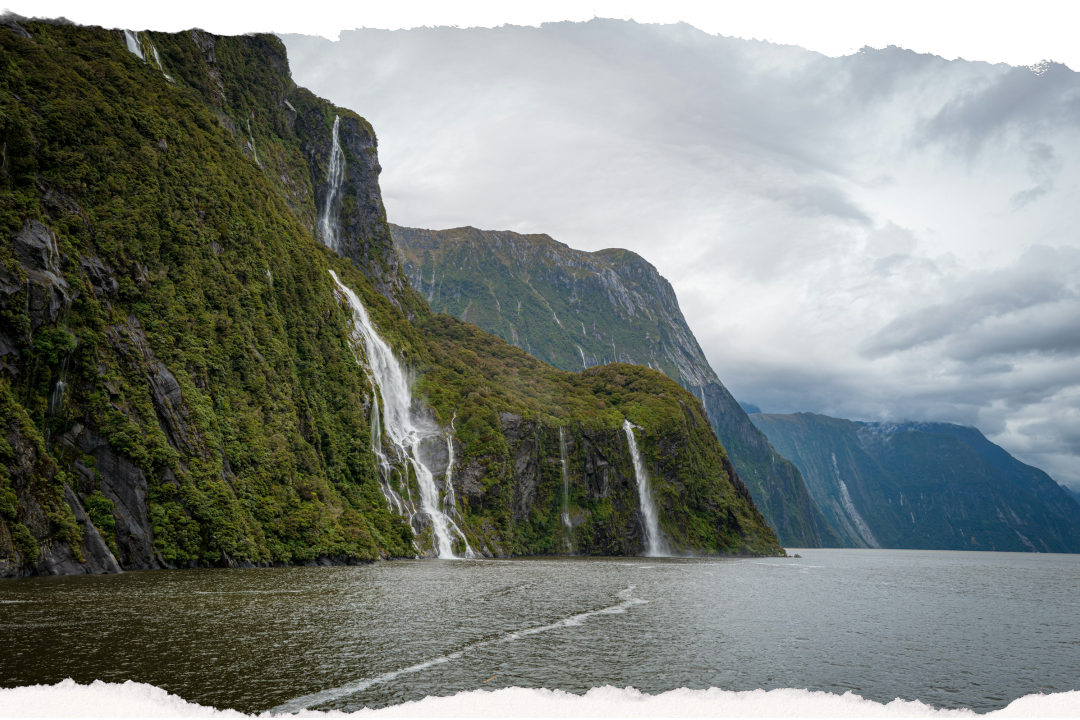
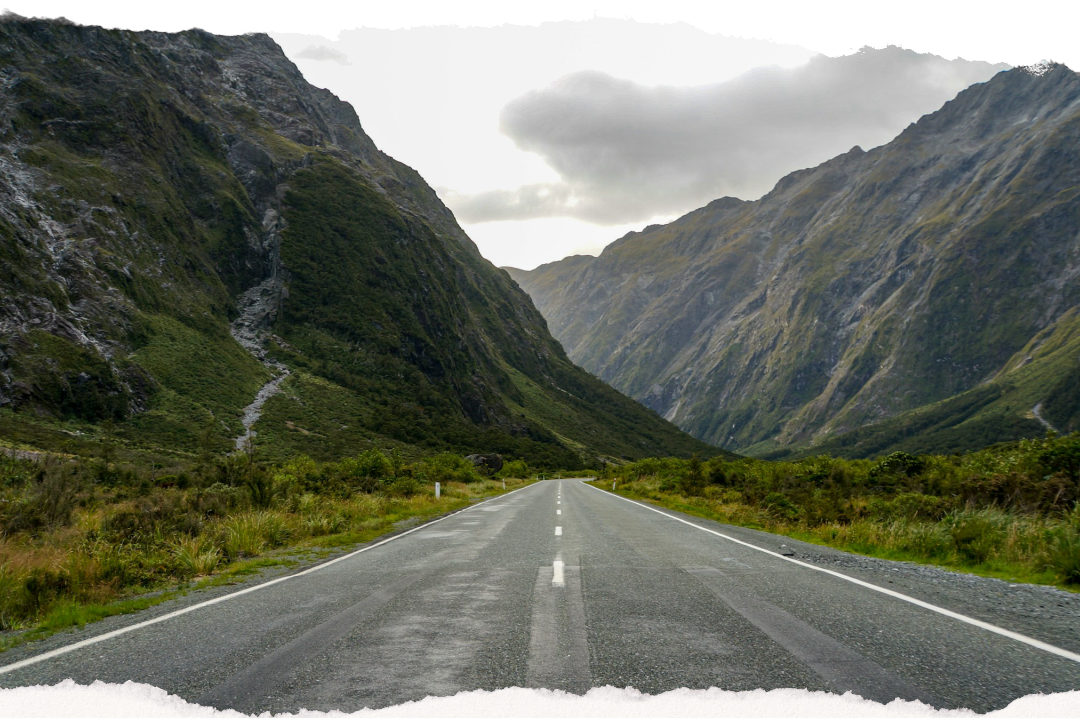
Milford Road and Fiordland are the obvious ones, where heavy rain, snow and avalanche risk can all close things down. The West Coast gets serious rainfall and has a lot of weather-dependent experiences. Alpine roads and passes can be affected by snow and ice in winter, and Cook Strait sailings can be disrupted by strong winds and big swells. Helicopters and scenic flights are among the most commonly affected, simply because they need quite specific conditions to fly.
One group had their planned Milford Sound day rained out. Rather than lose Milford from the trip, we reshuffled the itinerary and moved it to the following morning, giving up some of the less important sightseeing that had been planned for that day. They still got to Milford. Their review afterwards put it better than we could:
“That kind of flexibility probably wouldn’t exist on a larger tour.”
Tip: rain in the forecast isn’t the disaster it looks like on your weather app. In Fiordland and on the West Coast, heavy rain brings waterfalls out across the cliffs and makes Milford Sound genuinely dramatic. Sometimes the right answer is to change the plan. Sometimes the right answer is a raincoat. Knowing which is which is the useful part.
When an experience can’t run
The first move is always to try to move it rather than lose it. With a helicopter flight, that might mean talking to the operator about a later departure the same day, or another window while you’re still in the area. The Milford example above is the same principle: not cancelled, just moved.
If it genuinely can’t be moved, we look at whether there’s an alternative worth doing instead. If the experience is cancelled outright and can’t be rebooked, we handle the refund. Not everything can be rescheduled, and we’d rather be straight with you about that than over-promise. What we can say is that we’ll work through the realistic options properly before accepting that something isn’t going to happen.
Tip: small additional costs that come out of a change are usually ours to absorb. We’d rather solve the problem than come back to you mid-holiday asking for another payment. If something outside anyone’s control creates a much larger change, we’ll talk it through with you and give you options rather than making the decision for you.
A cancelled ferry, and a dinner they still made
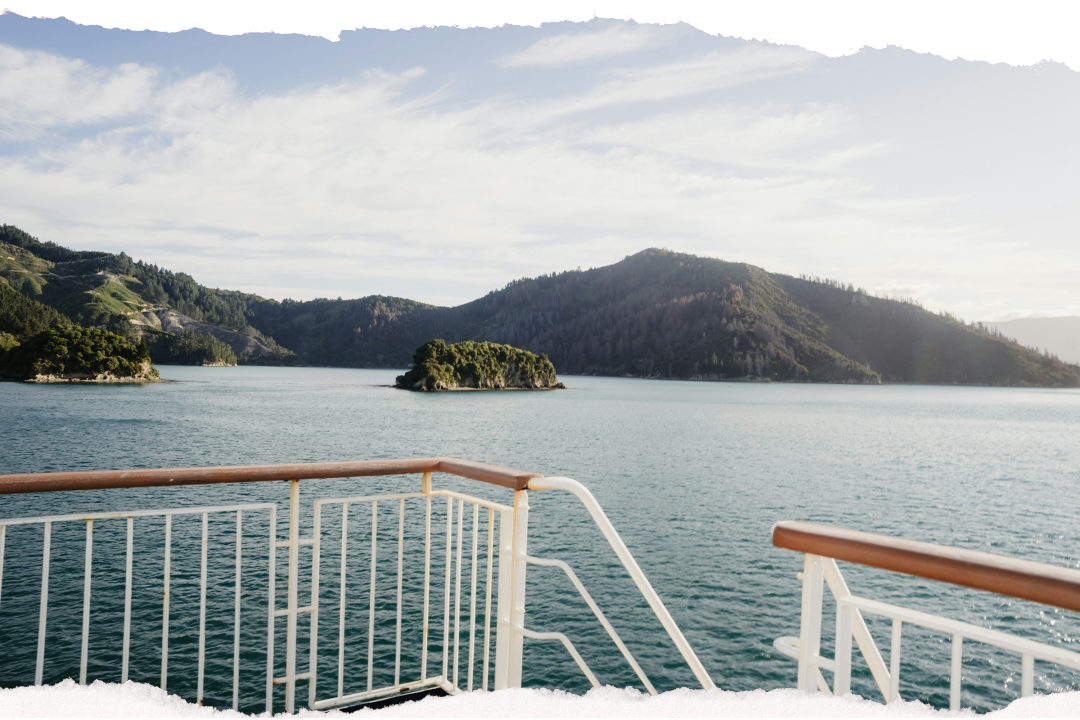
On a tour earlier this year, a couple had their travel disrupted by a combination of ferry and weather problems, which meant the original plan for the day wasn’t going to work. Constance, one of our guides, reorganised the route and travelled with them so they still reached Nelson in time for the dinner they had planned that evening. We also covered their taxi transfer at the other end.
They knew that plans had changed. What they didn’t have to do was sit in a ferry terminal working out the solution themselves, and they weren’t charged extra for the rerouting.
If you’re driving yourself
A self-drive trip means you’re travelling independently. It doesn’t mean we hand you the car keys and disappear. You have our office details, and we run an after-hours support system for everyone travelling with us, self-drive guests included.
One self-drive group had several weather-dependent activities lined up, including a skydive and a helicopter flight. We tracked the operators’ updates and passed the information on as conditions changed:
“The Road Trip kept a close watch over the updates provided by the activity operators and provided us with the latest information/advice as quickly as possible.”
The same guests later had a problem with their accommodation. They called us, we dealt directly with the motel, and it was sorted out. They were driving themselves, but they still had a team in New Zealand looking after the trip as a whole.
If you land a day late
International flight delays are the disruption we see most often, and they arrive before the holiday has even started. When someone lands a day later than planned, we work back through the itinerary, change the airport transfer, move what can reasonably be moved and generally start the main part of the trip the following day. Occasionally something has to be dropped.
Tip: this is one of the reasons arrival days are deliberately unhurried. We’re not going to have you land in Auckland at 7am after a long-haul flight and put one of the most important experiences of your trip at 10am. It’s better on the day itself, and it means a delayed flight doesn’t knock over everything behind it.
If something changes at home
Sometimes the disruption has nothing to do with New Zealand. Illness, a family emergency, or something at home that suddenly makes travel impossible.
The first thing we look at is whether the trip can be postponed rather than cancelled. We work through it with our suppliers to see what can be moved to new dates and what costs can be carried forward. That isn’t possible with every booking, but it’s the first question we ask. If postponement isn’t an option, we work through the bookings and handle any refunds due under our terms.
We also help with insurance claims. We can provide the documentation you need from our side: confirmation of bookings, payments, cancellations and any amounts that couldn’t be recovered. If you’re dealing with an illness or a family emergency, the last thing you need is to work out which hotel, activity operator and transfer company in New Zealand you have to chase. You booked through one team, so you deal with one team.
Not every change means cancelling. One guest’s husband broke his hip a few weeks before they were due to travel. They still came. We rebuilt the itinerary around his new mobility requirements and replaced activities with more accessible alternatives, and they mentioned in their review how quickly the trip was adapted. If your circumstances change, the first question is usually whether there’s still a way to make the trip work.
Tip: we strongly recommend comprehensive travel insurance. We don’t sell it and we’re not steering you towards a particular provider. Moving a booking solves a lot of problems. It doesn’t solve all of them, and insurance covers the financial risks that rescheduling cannot.
What “or similar” actually means
This one comes up often enough to be worth answering directly. “Or similar” doesn’t mean swapping a considered choice of hotel for whatever happens to have a room. It means a property we consider comparable in quality, location and suitability for you.
Trips are often designed a long way ahead, and a room that’s available when we put a proposal together may not still be available when you confirm. Location matters as much as the property itself, and what counts as a good location depends on you. Some people want to walk out to dinner in the evening, some want easy parking, some want to be well away from town. Tell us which matters and that’s what we look for.
Once a property is confirmed, if it has to change, we tell you and update your itinerary. You won’t find out at check-in.
Reading the day
The itinerary is the plan. What makes it flexible is having people here who know the country well enough to react to what’s actually happening.
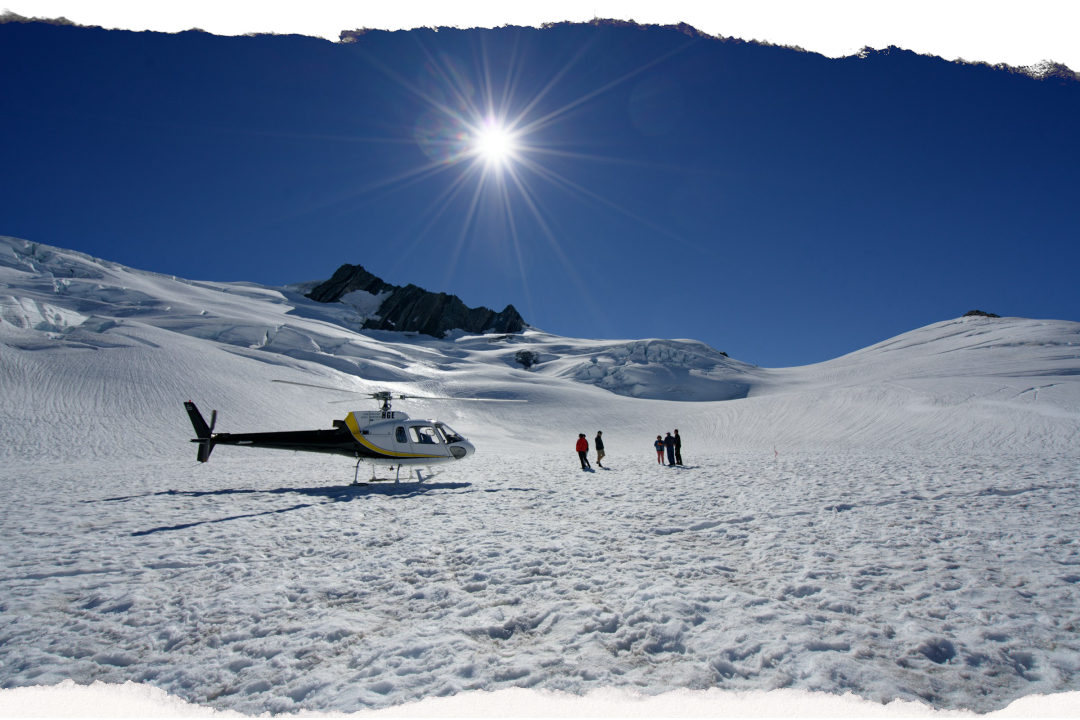
At Franz Josef, Constance was guiding a family and saw that conditions were unusually good for flying, so she arranged a helicopter snow landing that was never part of the plan. It became one of the highlights of their trip. Nothing had gone wrong that day. It’s the same advantage working in the other direction.
The practical side sits underneath that. Every active guide holds a current first aid certificate. Guides aren’t medical professionals, but they can provide first aid and help get someone to appropriate care, and we’ll work through the itinerary afterwards if you need a rest day or a change to the days ahead. If a guide is unwell, there are backup options, including Alex and Matt, who both guided before they moved into designing and managing trips.
We’re also Qualmark Gold accredited. Qualmark is New Zealand tourism’s official quality assurance scheme, run by Tourism New Zealand, and Gold is the highest of its three levels. It means an independent assessor has been through how we run things, rather than us simply telling you we’re good at it.
The short version
We can’t control the weather, the airlines, the ferries or the roads, and we’re not going to pretend otherwise. What we can tell you is that problems on this scale are rare, and that when one does happen, you’re not the one untangling it.
If you had booked twenty separate hotels, activities, transfers and rental cars yourself, one change could leave you with twenty bookings to rearrange from a different time zone. Here, one team already knows how all of those pieces fit together and can start working the phones straight away.
A family group of twelve adults and three young children came with a lot of moving parts and plenty of changes along the way. Denina, who was handling their bookings, rearranged reservations as things shifted, and their guide, Chris, worked his way round the helicopter operators at Franz Josef looking for a last-minute glacier flight. Their review summed it up:
“If they could manage this crew I feel confident they could manage anything!”
Another guest, whose accommodation problems were with a booking they had arranged themselves before their tour with us even began, said we went:
“above and beyond to adjust plans and find solutions quickly and seamlessly.”
Planning a trip to New Zealand?
Tell us what you have in mind and we’ll build it around you, including the parts you hope you never need.